Wish Velocity
Life-cycling Miracles

The lamp was found in the spring of 2022, in a supply closet on the seventh floor of the south building, behind a cardboard tower of unopened KN95 masks and a half-deflated welcome-back balloon that read NICE TO SEE YOUR FACE in rainbow letters. The closet had been sealed for the better part of two years and smelled faintly of damp lanyard. Sasha Pham, hybrid experience coordinator, had been sent in to inventory what was left of the 2020 office supplies before they were donated, recycled, or — per a recent procurement email — “responsibly transitioned out of the asset chain.”
She found the lamp behind a transparent plastic crate of tangled charging cables and a stack of ergonomic mousepads still in their plastic. It was brass, the size of a small loaf of bread, dusty in a way that suggested significant time. She picked up the lamp brushing it softly as she handled it.
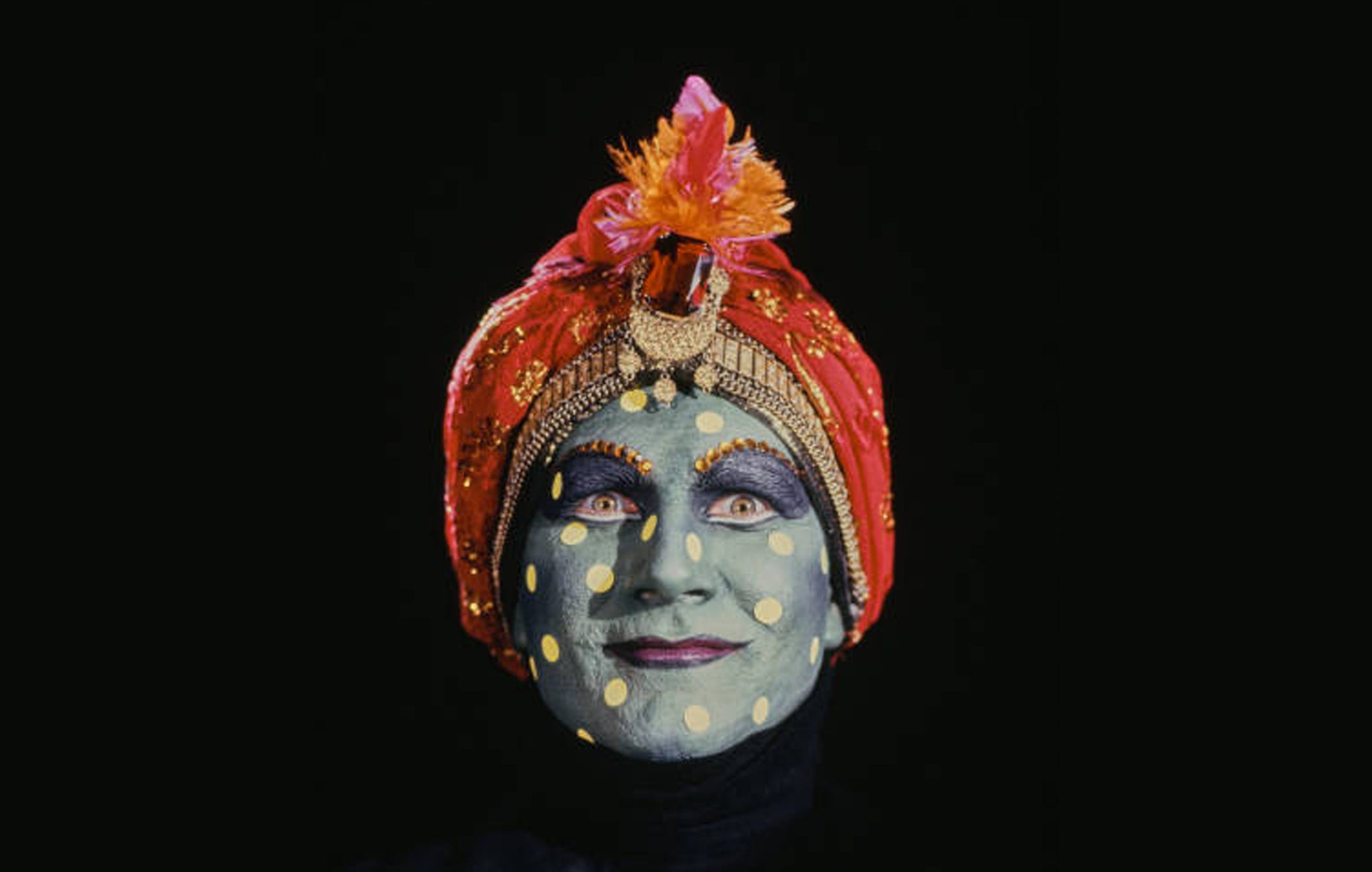
The genie that emerged was tall and quiet and translucent at the edges, like a person standing in front of a window. It bowed once. It said, in a voice that did not seem to be coming from any particular direction, that she had one office-work wish and to choose wisely.
Sasha sat down. She thought for a long time. Then she wished, in a half-whisper, that her name would appear correctly in the company directory, where it had been spelled SHASHA since her first day in 2019. The genie inclined its head. Her phone buzzed. The directory had been updated. So had the email aliases, the Workday profile, the Slack handle, the Brivo badge, and the small placard on the energy cubicle she no longer used.
When word spread, it spread the way these things do — first in whispers, then in calendar invites. The lamp was moved, by collective unspoken decision, to a small conference room on the fourth floor of the east tower named Yosemite. Yosemite was mostly used for skip-level meetings and the occasional sheet cake staging area. The Yosemite TV was mounted half an inch lower on the right than the left, and a tangled mass of HDMI dongles lived in a wicker basket on the table underneath that nobody had the authority to remove.
The lamp sat in the center of this table. People came in twos and threes. They held it with both hands. They closed their eyes. The wishes, in those early weeks, were small. A parking space. A fixed expense report. The thing where Zoom stops requesting to open the meeting in your browser window. The genie granted each of them, silently, and then returned to the lamp awaiting the next soft corporate rub.
A clipboard appeared on the door. A Slack channel was created — #the-lamp — and within a week had eighty-seven members. Someone left a single Sweetgreen napkin on the table. Someone else left a LaCroix, unopened. A Post-it appeared with a small hand-drawn heart. A recurring fifteen-minute hold appeared on the room from 11:45 to noon, labeled LAMP — DO NOT DELETE, owned by an account nobody could identify.
In the all-hands deck for Q3, under the heading UPDATES, a single bullet appeared between Q2 NPS results and a slide about office RTO: Lamp continues to perform well.
A one-line email went out from BrandCo People Ops the following Monday. It reminded everyone that wishes should be “thoughtful, intentional, and aligned with our values.” Nobody knew who had asked for the email. Nobody asked.
By Q1 of 2023, the lamp had its own room. Yosemite was rebranded — temporarily, then permanently — as Lumen. A small acrylic placard was screwed into the door at eye level. Inside, the lamp had been moved from the conference table to a sit-stand desk, where it now sat at a height that had been determined, in a meeting, to be optimal for its use case. A Logitech webcam pointed at it, recording, for documentation purposes no one could quite articulate. A label-maker label on the underside of the lamp read PROPERTY OF BRANDCO — INV #LMP-001.
Wishes were now filed through a Jira form. Required fields included Wish Title, Business Justification, Stakeholders, Estimated Impact (1–5), and Wish Owner. A wish review committee — three people from People Ops, one from Legal, and a rotating seat held by BrandCo JEDI — met every other Wednesday at three. The committee had a binder. The binder had tabs.
The genie was now referred to in internal documentation as Jeff. No one was sure who had named him. He had been given an asset tag.
The complaints, when they came, did not arrive as complaints. They arrived as feedback. Wish turnaround time had slipped. A wish that had been granted was reported, in the next retro, to have not “fully addressed the underlying need.” Someone in a planning meeting used the phrase wish velocity and no one looked up. A skip-level mentioned, almost in passing, that perhaps the team should “rethink wish prioritization for FY24.” The retro on the unsuccessful wish was held in Lumen, on the desk where Jeff stood, translucent and still. He was not invited.
The fluorescents were on now, all the time. The lamp was still glowing. It had become hard to see against the overheads.
The all-hands at which the upgrade was announced took place in March of 2025. Attending BrandCo Executive Leadership members sat on stools. The slide behind them read THE FUTURE OF WISHING, with the subtitle Scalable. Intelligent. Always-In. They spoke over one another for nine minutes about evolution, about meeting the moment, about how the company’s commitment to wish fulfillment had never been stronger and was, in fact, expanding.
The vendor was called WishHub. There was a pilot. The pilot had run for six weeks in a region nobody could quite locate on the org chart. The results were “extremely promising.” The platform offered, among other things, dashboards, a dark mode, a Loom-based onboarding flow, and an API. There was a slide for each of these. The API slide had an animation.
The rollout took three weeks. A Slack channel was created — #ai-garage-launch, with the rocket ship emoji — and within a week had two hundred and twelve members. A pinned post at the top explained that WishHub was “not just a tool, but a paradigm.” An IT ticket template was shared for anyone experiencing onboarding friction. Someone posted a screenshot of their first granted wish, captioned “finally,” and collected eleven flame reactions. A recurring fifteen-minute hold appeared on the calendar — WISHHUB OFFICE HOURS — hosted by someone from Digital Enablement who had been on the pilot.
In the all-hands deck for Q1, under the heading UPDATES, a single bullet appeared: WishHub fully deployed across all wish-eligible headcount. Adoption at 94%.
The wishes were fast. Faster than Jeff. This was noted in the Q1 digest, in a bar chart, without comment. Response times were displayed on a dashboard anyone could access, updated in real time, color-coded green. There was a weekly digest. The digest had a subject line. The subject line was Your Wish Report.
Jeff was mentioned once, in the all-hands. The slide was a generic clip-art party hat over the words Thank you, Jeff! in a font that was not the brand font. It stayed up for two seconds. The presenter was already advancing the clicker.
There was no farewell event. An email went out from People Ops on a Tuesday — the kind of Tuesday where two other things had also been announced — acknowledging Jeff’s “tremendous contribution to our wishing journey” and confirming that his asset record had been closed in Workday. A DoorDash gift card was referenced in the same email, in the third paragraph, in a subordinate clause. It was for thirty-five dollars. The email also contained two unrelated calendar links.
A LinkedIn post from someone in People Ops thanked “our incredible lamp partner” for an “amazing journey,” with three flame emojis. The comments included Onward!, a purple heart, and one that said simply, This.
The lamp was unplugged — though it had never been plugged in — and moved to the corner of Lumen. It was still glowing. Nobody mentioned it. A WishHub terminal was installed on the sit-stand desk where the lamp had been, at the same height determined by the same meeting. The Logitech webcam was redirected to point at the terminal instead. Within the month, Lumen had been rebranded again, this time as the Always-In Garage, or AI Garage for short. The acrylic placard on the door was replaced. The wicker basket of HDMI dongles remained.
The closet is on the seventh floor, possibly the same one, possibly a different one. The lamp and presumably Jeff is on the shelf, behind a Keurig with a handwritten OUT OF ORDER sign on tape that has begun to yellow. There is a stack of branded fleece vests from the 2023 rebrand. There is a milk crate of name tents from a leadership summit. There are KN95 masks. There are lanyards. There are two stacks of promo materials featuring Bradley Cooper, from two different campaigns, in which he has two different face structures.
A senior manager walks past the closet on her way to the elevator. She is on the phone with someone in Bellevue. She is explaining that the WishHub response time has slipped again, that two wishes submitted before end of quarter have not been fulfilled, that the vendor’s SLA says forty-eight hours but her team has been waiting six days, that she raised this in the last retro and it was captured but she doesn’t think it went anywhere, that she needs to know who owns the escalation path. She opens the closet door, looking for a charger. She does not find one. She closes the door and continues down the hall.
The lamp is still glowing. Faintly. To no one.